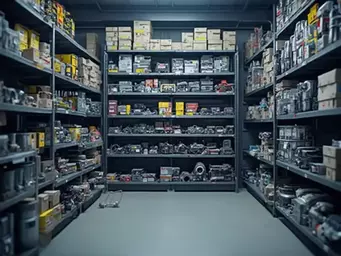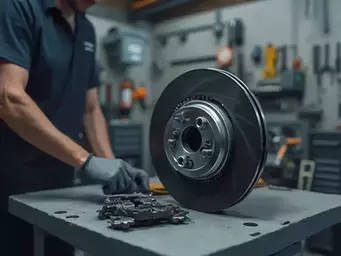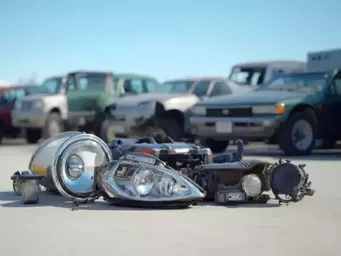
Used ignition and door-lock parts can look like a quick solution, but compatibility matters more than appearance. A lock barrel, key, transponder and immobiliser module may have been designed to work as a set, so fitting one used component can create a new access or starting issue.
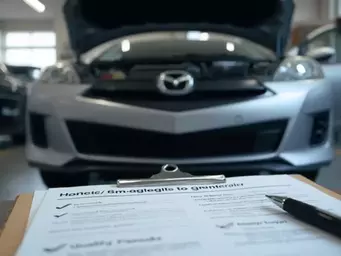
Before buying anything, identify the vehicle precisely. Record the Mazda model, production year, key type, ignition style and any existing remote or immobiliser symptoms. Compare part numbers rather than relying only on photographs from a listing.
Before choosing a service or next step, confirm facts, protect the property or vehicle, and keep accurate details ready for a clear decision. For readers seeking a practical next step, automotive locksmith is a relevant resource to review once the immediate situation is understood.
Know what needs to match
A physical door barrel may fit the panel while still using a different key profile. An ignition unit may connect mechanically but not communicate with the vehicle's security system. Used keys can also be worn, copied badly or linked to another car.
Ask the seller whether the part is supplied with keys, matching modules, identification details and a clear return process. Do not buy an ignition simply because it turns with the key that comes in the box. The crucial question is whether it can work safely with your vehicle's existing components.
Repair first when the original can be saved
An original barrel or key may be repairable if the fault is a worn key, broken blade, damaged housing or minor internal wear. Retaining the original system can avoid changing several related components. A professional inspection can distinguish a mechanical fault from an electronic recognition problem.
Before fitting used security components, speak with an automotive locksmith who can diagnose the key, barrel and immobiliser relationship. This is especially important when the vehicle has intermittent starting, a key that sticks, or no verified spare.
Protect the replacement decision
Keep the original part until the replacement operates every relevant function. Test door access, ignition operation, remote functions and the spare key. Store key codes and ownership records securely, not in the vehicle.
The target site's pages on automotive locksmith services, car locksmith work and key cutting offer related starting points. A careful compatibility check costs less than installing a part that leaves the car inaccessible or unable to start.
Establish What Has Actually Failed
Lockouts and key failures become easier to solve when the symptom is described accurately. Identify whether the problem involves a property door, car door, remote, ignition, immobiliser, garage access or a key that is simply missing. For a vehicle, note the make, model, year, dashboard messages and whether the spare key behaves differently. For a property, identify the door, lock type and whether anyone inside needs urgent help.
Do not force a key, lever a door or use a tool that can damage glass, seals, airbags or the lock cylinder. Small damage can change the work from safe entry to repair and security restoration. Move to a safe place, confirm the exact address or parking location, and keep evidence of authority to access the vehicle or property available for a legitimate provider.
Test the Simple Possibilities Safely
For remote keys, check whether the fob has been wet, dropped or left with a weak battery. Test the spare key where it can be reached safely. A working spare can help separate a key fault from a vehicle fault. Do not keep pressing a wet remote or open its case with a tool that might damage the circuit board.
For physical keys, notice whether the blade is bent, the keyway is stiff or one lock works while another does not. A door latch, central-locking actuator and ignition system may have different causes even when the problem appears at the same time. Write down the sequence of events because a clear record makes diagnosis more accurate.
Choose Assistance With Clear Questions
Before authorising work, confirm the provider serves the exact suburb or location, what the call-out terms include and what proof of access they need. A professional should ask enough questions to identify the basic service needed. For an automotive issue, share the vehicle details. For a home or business lockout, identify the entry point and any immediate safety concern.
If keys were stolen rather than misplaced, discuss the security consequence after access has been restored. Rekeying, lock replacement or changes to a key-management plan may be more appropriate than simply making another copy. Avoid posting key codes, vehicle identification information or photographs of security hardware in public places.
Protect the Working Key and the Spare
Keep the working key separate while a fault is being investigated. Do not discard a damaged key, failed remote or old barrel until a replacement has been tested. These items may hold useful information about key cutting, programming or compatibility. Store the spare away from the vehicle, property or main key ring so it is useful during a genuine lockout.
For businesses and fleet operators, record who holds each key and when a spare was last tested. For households, choose a trusted person who can access the spare and answer the phone. A hidden outdoor key is not a secure plan. A controlled spare-key system is simpler and safer.
Confirm the Repair Before Leaving
After entry, replacement or repair, test every relevant function. A vehicle key should lock, unlock and start the vehicle where applicable. A property key should operate the intended doors without undue force. If a remote or immobiliser is involved, check the function more than once rather than relying on a single successful result.
Record what was changed, retain receipts and update anyone who holds an emergency key. The final check matters because it confirms that the original problem has been addressed and that the next lockout does not begin with an untested spare or an unresolved fault.
Document the Exact Access Problem
Write down what happened immediately before the lock or key failed. Record whether the key turned, whether a remote responded, which door was affected and what warning appeared. For a vehicle, include the make, model and year. For a property, identify the entry point and lock type. This evidence helps separate a damaged key, cylinder, latch, actuator, battery or electronic recognition issue.
Protect Proof of Ownership and Access
Keep identification and ownership records available without publishing them. A legitimate provider may need to confirm that the person requesting entry can authorise the work. Vehicle identification numbers, key codes and close photographs of security hardware should stay private. Share only the details required through a direct channel. Careful handling protects the owner while allowing the technician to prepare suitable tools and parts.
Review Call-Out Terms Before Work Starts
Confirm the service area, travel charge, labour basis and likely parts before authorising attendance. Ask how the scope changes if the first inspection finds a different fault. A written message can record the agreed starting point. Do not rely on an advertisement that gives one broad price without describing the lock, key, time or location because those details influence the actual service required.
Keep People Safe During the Wait
Move away from traffic, loading zones and unsafe building entrances. Keep children, pets and vulnerable passengers supervised. If someone faces immediate danger, contact the relevant emergency service instead of treating the situation as a routine lockout. At night, wait in a visible place and tell a trusted person your location. Safety takes priority over protecting a timetable or avoiding a call-out.
Test Mechanical and Electronic Functions Separately
After access is restored, test the mechanical key before the remote or electronic system. Then check lock, unlock, ignition recognition and any alarm response one function at a time. This order makes it easier to identify which component still fails. Repeat the test with the spare. One successful button press or engine start is not enough evidence that an intermittent problem has been resolved.
Decide Whether Rekeying Is Needed
A misplaced key and a stolen key create different security questions. If an unknown person may hold a working key, discuss rekeying, cylinder replacement or electronic key deletion where applicable. Consider who else holds authorised copies and whether access records need updating. The goal is not only to regain entry but also to restore control over who can use the lock afterward.
Create a Controlled Spare-Key Plan
Choose one secure location away from the vehicle or property and nominate a trusted holder. Label keys without exposing an address to anyone who finds them. Test the spare on a schedule and replace damaged tags or batteries. Businesses should record handovers and returns. A controlled plan is more reliable than a key hidden under an object near the entrance or stored inside the locked vehicle.
Retain a Clear Service Record
Keep the invoice, part details and a short description of the completed work. Note how many keys were supplied and which locks they operate. If a component was removed, retain it until the result is verified unless disposal was agreed. These records help with warranties, later diagnosis and property or vehicle handover. They also prevent future owners from guessing about earlier security changes.